The whole history of Earth at true scale. This page is 115,000 pixels tall. One pixel is 40,000 years. The scale never changes, anywhere, including at the end. What follows is 57 arrivals in chronological order, from 4,567 Ma to 9.3–6.5 Ma. Ten more recent moments are listed at the end instead: they are
too close together to be drawn on this page at all. Left and right arrow keys move between arrivals.
M
Deep Time
The whole history of Earth, at true scale.
This page is 115,000 pixels tall.
One pixel is 40,000 years.
The scale never changes.
Humans appear in the last 175 of them.
scroll
4.60billion years ago
HADEAN
4,600,000,000 years
1 px = 40,000 years
True scale
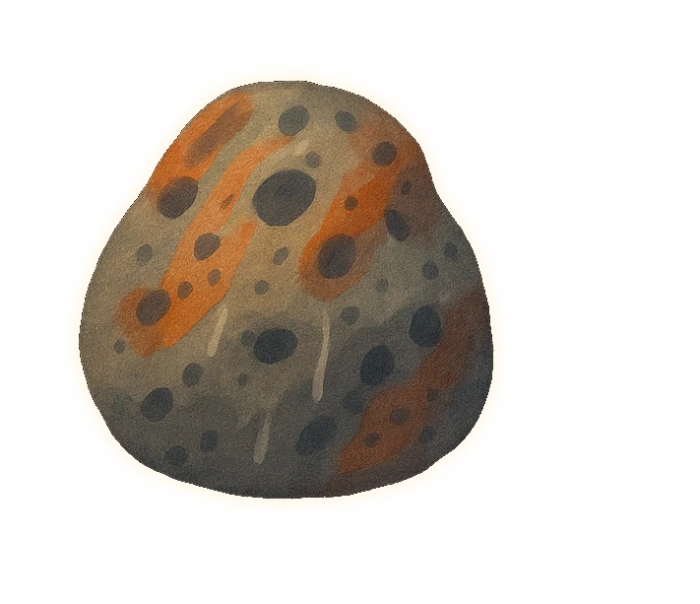
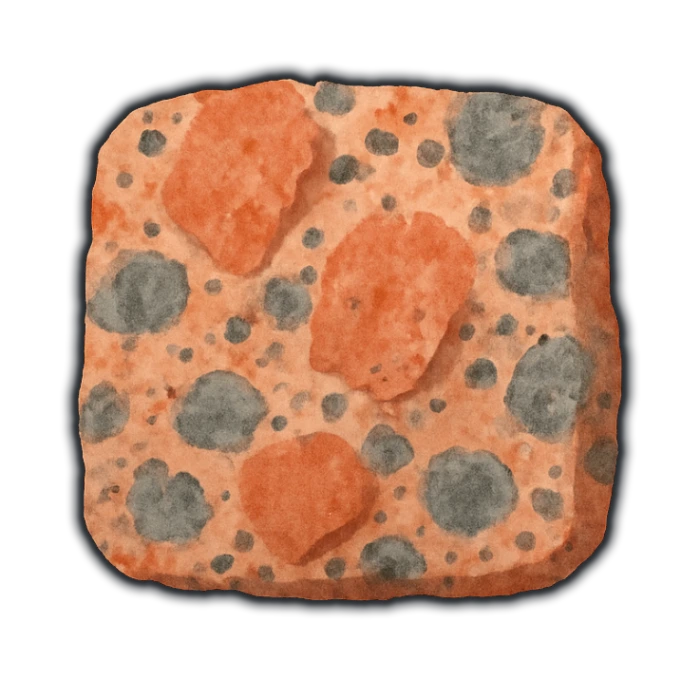
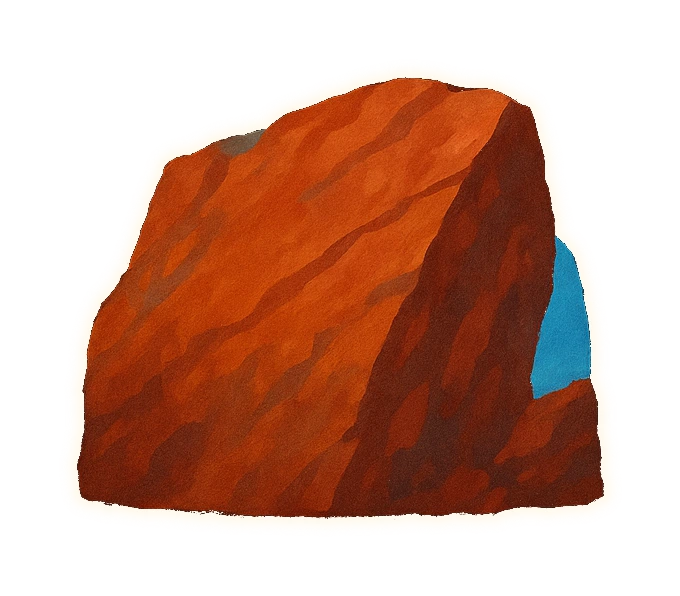
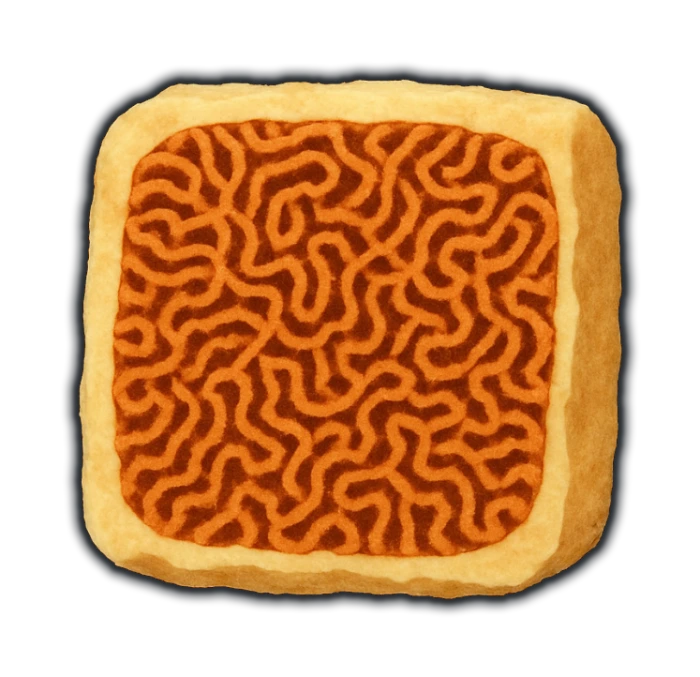
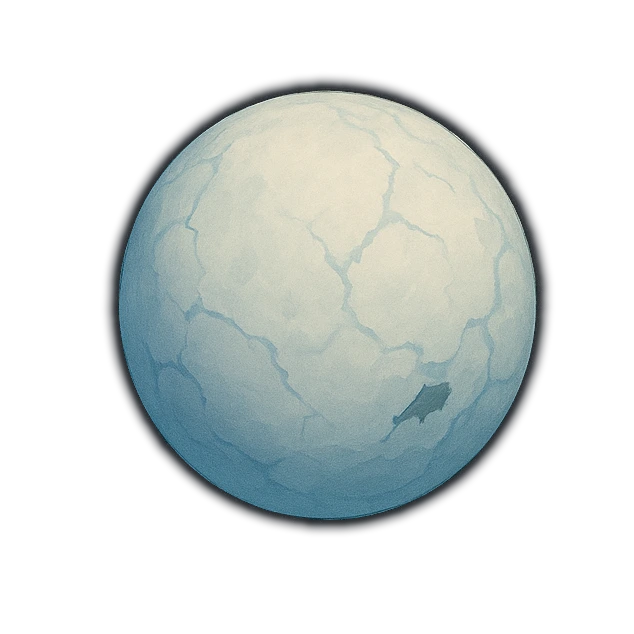
4,567 Ma4,567 million years agoThe Solar System formsThe Solar System formsDust and ice collapse around a new star. Nothing older has ever been dated.That star is the Sun. The disc becomes the planets.4,540 Ma4,540 million years agoEarth reaches full sizeEarth reaches full sizeAccretion finishes. The whole surface is molten rock.There is no ocean yet, and no air to be blue.≥ 4,510 Maat least 4,510 million years agoThe Moon is torn outThe Moon is torn outA Mars-sized body strikes, at least 4.51 billion years ago. The debris becomes a Moon that hangs enormous and close.The Moon began as molten rock, not the grey rock it is now.
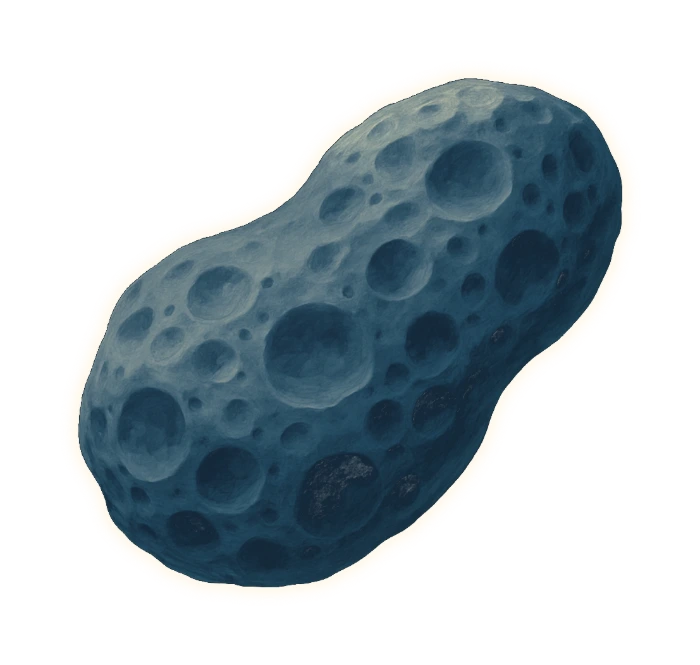
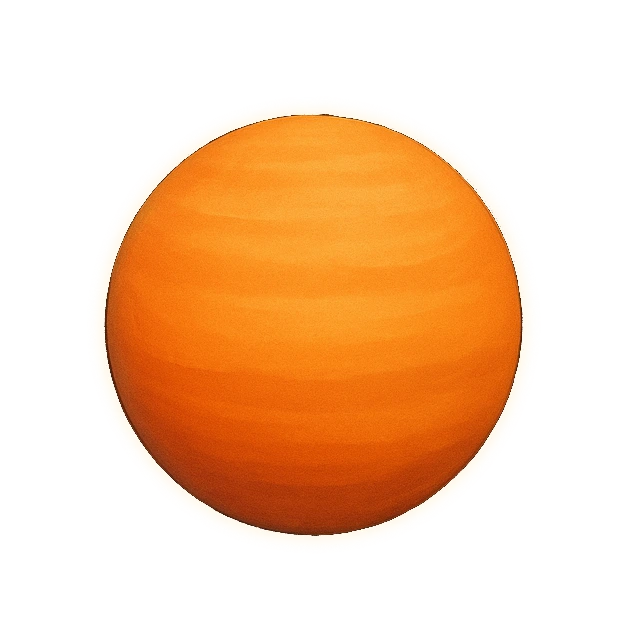
The Moon is two and a half times wider than it is today
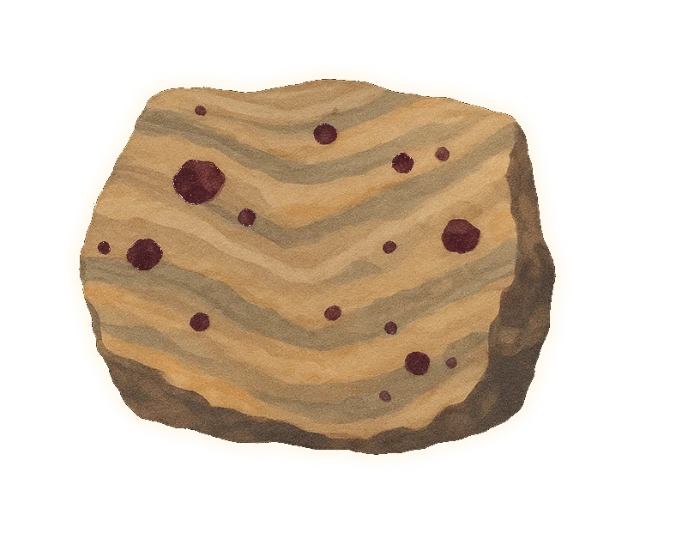
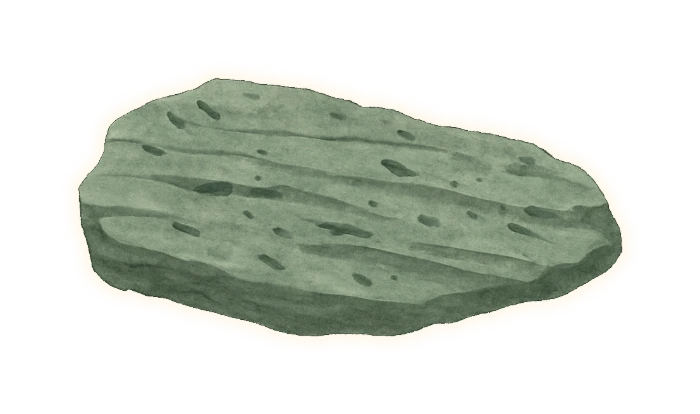
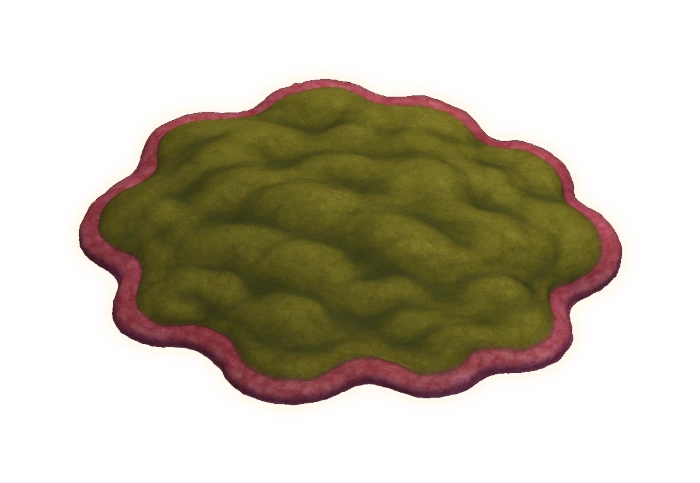
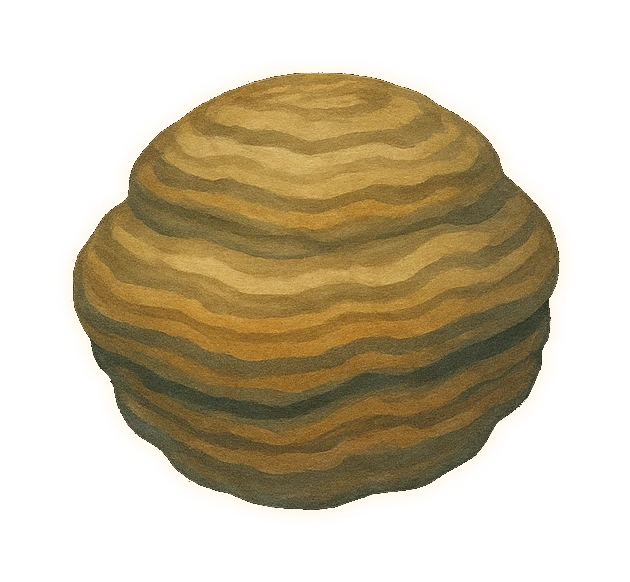
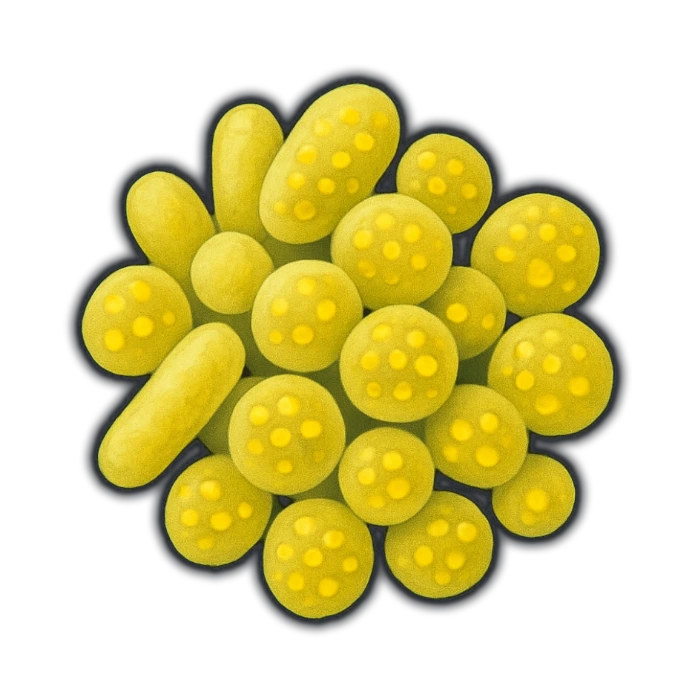
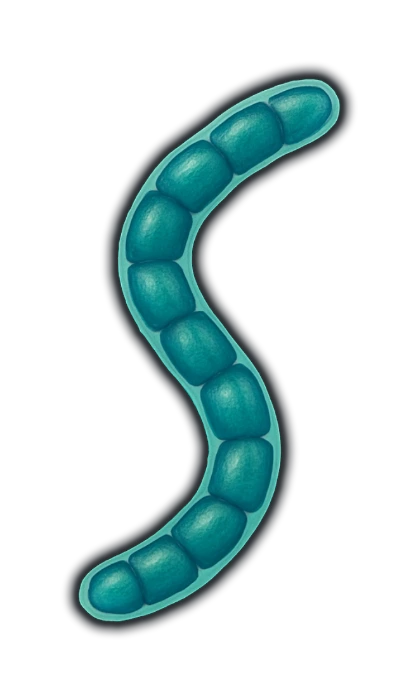
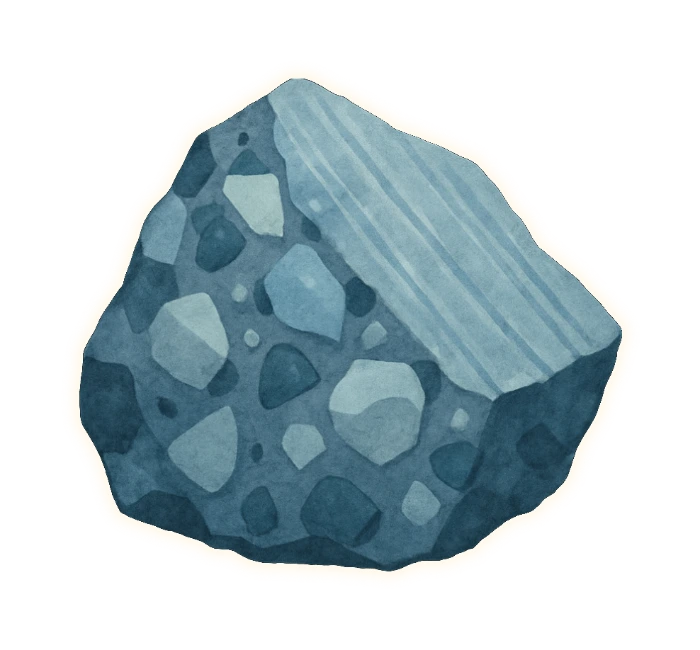
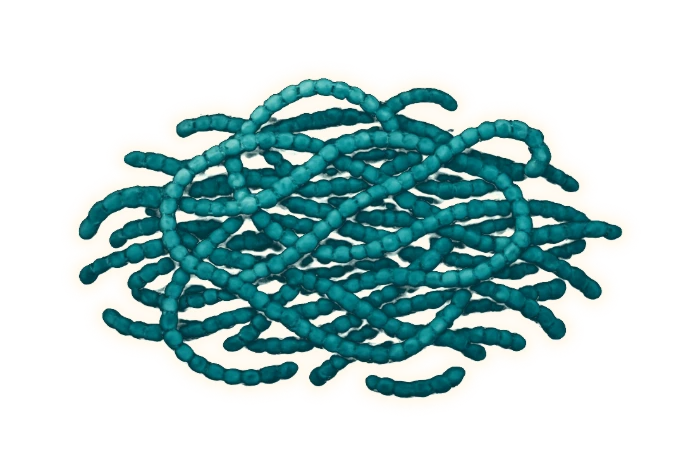
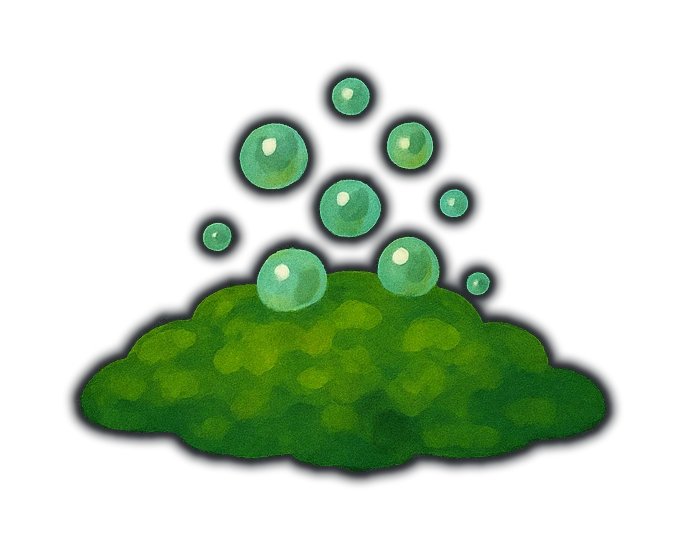
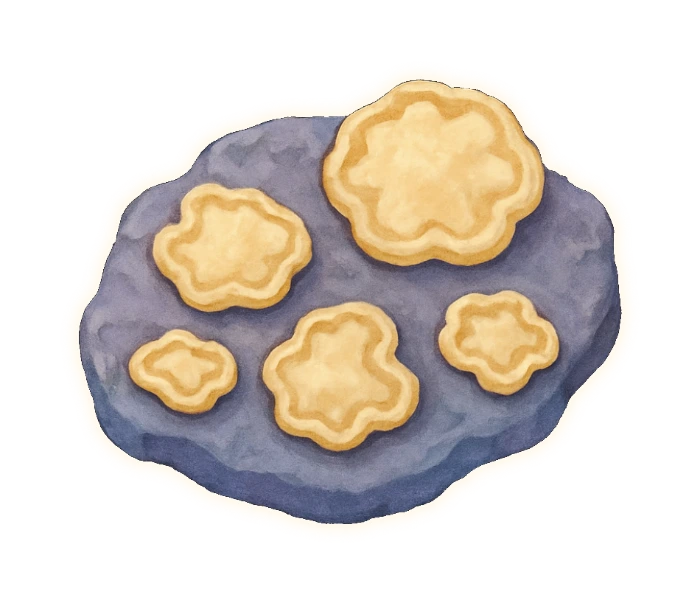
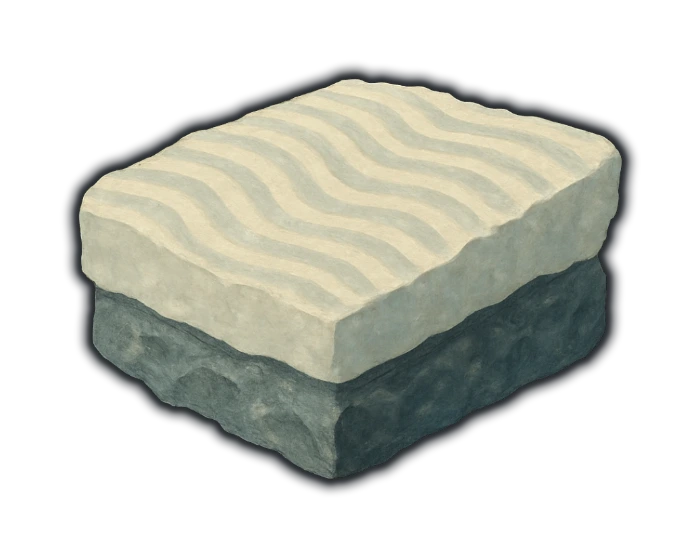
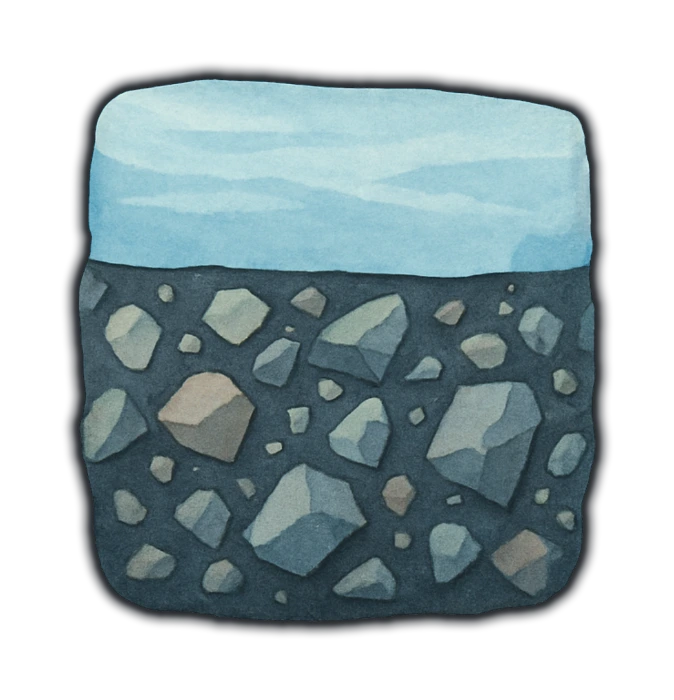
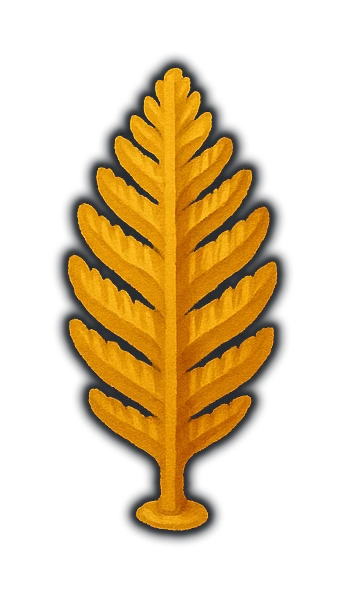
4,404 Ma4,404 million years agoLiquid waterLiquid waterA single zircon crystal records water at the surface.A single crystal proves water was here. Not that an ocean was.4,300 Ma4,300 million years agoSteam and acid rainSteam and acid rainThe air is CO₂. The rain is acid. There is nothing yet you would call land.Volcanic gas dissolves in the rain and turns it acid.≥ 4,160 Maat least 4,160 million years agoThe oldest surviving crustThe oldest surviving crustNuvvuagittuq, Quebec — a scrap of the first ocean floor.Crust is the planet's thin outer shell of rock.4,031 Ma4,031 million years agoThe oldest rock we still haveThe oldest rock we still haveAcasta gneiss — banded rock, north-west Canada. The Hadean ends here because this is where the record starts.A gneiss is rock cooked and squeezed into bands.3,800 Ma3,800 million years agoThe oldest sedimentary rocksThe oldest sedimentary rocksIsua, Greenland — mud, laid down under water, by a real ocean.Sedimentary rock is settled mud, turned to stone.3,700 Ma3,700 million years agoThe first trace of lifeThe first trace of lifeCarbon of the kind life prefers, in Isua sediment. Not a fossil — a chemical shadow, and the oldest one anyone accepts.The dark lens is carbon. Its isotopes are the only trace life left.3,600 Ma3,600 million years agoMicrobial matsMicrobial matsLife is a film on the seabed, and stays that way for three billion years.All life is a film on the seabed, a few millimetres thick.3,480 Ma3,480 million years agoStromatolitesStromatolitesMats build the first structures life leaves behind. Whether these particular ones did is still argued.A mound of rock, built layer by layer by microbes.3,400 Ma3,400 million years agoMicrobes that eat sulfurMicrobes that eat sulfurNo oxygen, no sunlight needed — chemistry alone.Microbes are single cells, far too small to see.3,260 Ma3,260 million years agoA fifty-kilometre asteroidA fifty-kilometre asteroidS2, the largest impact in the rock record — 50 to 200 times the mass of the one that killed the dinosaurs. It boils the top of the ocean, and life gets better.S2 names the layer of debris it left behind.3,220 Ma3,220 million years agoThe first continentsThe first continentsCratons, the ancient cores of continents, stabilise. There is now permanent dry land.The sea is green. It is full of dissolved iron that has not rusted out yet.3,000–2,400 Ma3,000 to 2,400 million years agoPhotosynthesisPhotosynthesisCyanobacteria, the blue-green scum on any pond, split water and let the oxygen go. It will take 600 million years to matter.Turning sunlight into food. Oxygen is the waste.2,900 Ma2,900 million years agoThe first ice ageThe first ice ageThe Pongola glaciation. Ice at mid-latitudes, on a planet with no oxygen.Named for the Pongola rocks in South Africa.2,800 Ma2,800 million years agoCyanobacteria, everywhereCyanobacteria, everywhereStill no free oxygen in the air — the rock is drinking all of it.Cyanobacteria: the blue-green scum on a pond.2,700 Ma2,700 million years agoWhiffs of oxygenWhiffs of oxygenOxygen appears in patches, hundreds of millions of years before the air changes.Patches of it, in the sea. None in the air.
The sky flickers orange and back, three to five times
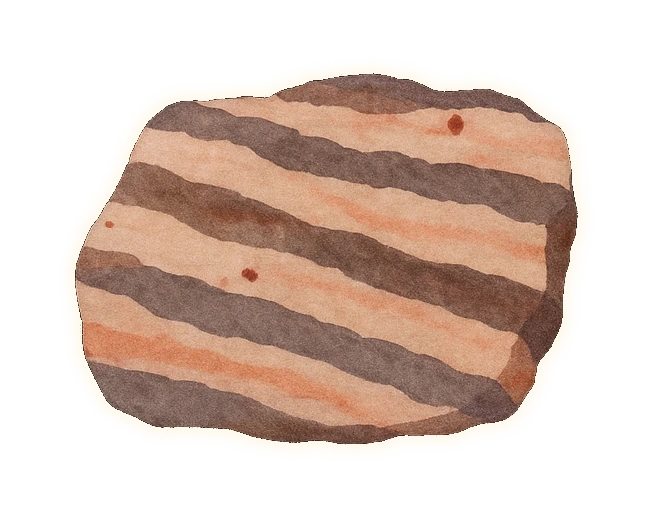
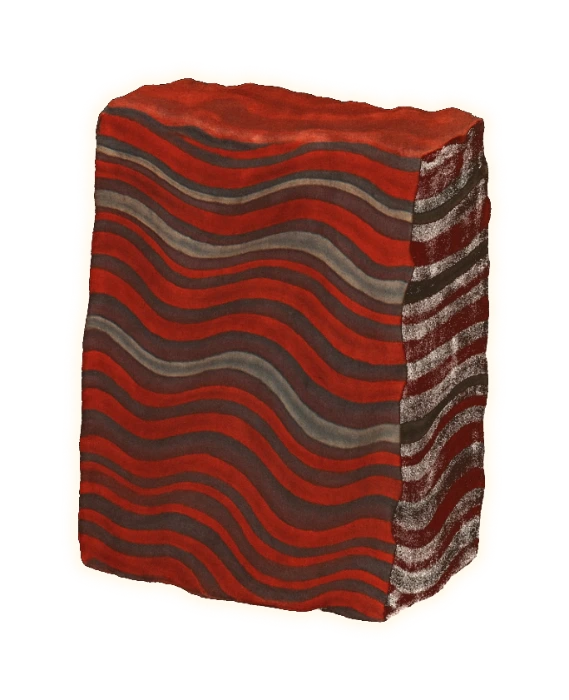
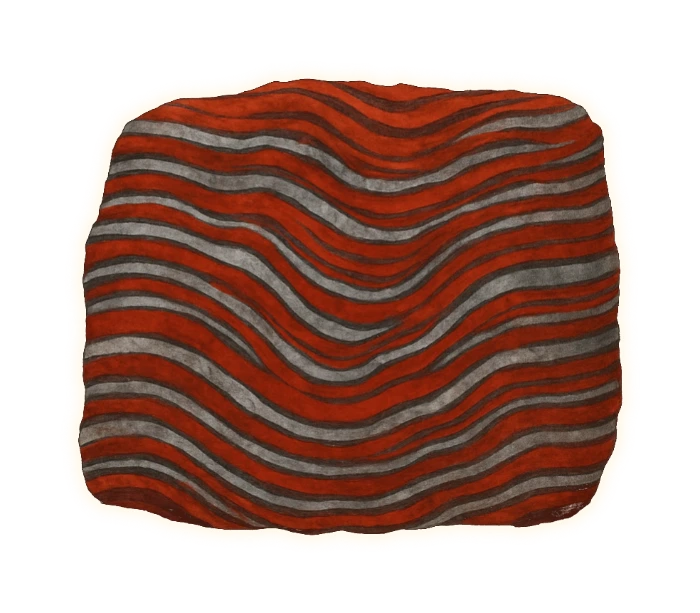
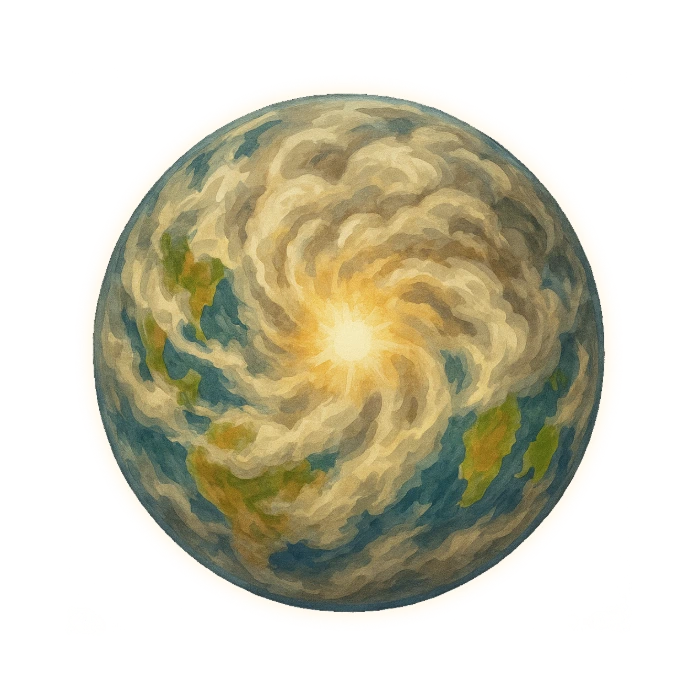
2,600 Ma2,600 million years agoBanded ironBanded ironOxygen meets dissolved iron and it rusts out of the sea, in bands, for a billion years.Rust in layers. Iron mines dig this rock.2,500 Ma2,500 million years agoBanded iron, stillBanded iron, stillStill rusting out of the sea. It has been a hundred million years.Rust, still settling out of the sea, layer on layer.2,430 Ma2,430 million years agoThe Great Oxidation beginsThe Great Oxidation beginsFree oxygen floods the air and poisons most of the life that made it.Thick methane haze hides the surface and turns the sky orange.2,400 Ma2,400 million years agoThe Huronian glaciationThe Huronian glaciationOxygen destroys the methane greenhouse and the planet freezes, three times over.Named for Lake Huron, where the rocks are.
The sky is blue
2,220 Ma2,220 million years agoThe Great Oxidation endsThe Great Oxidation endsOxygen is permanent. The haze never comes back.The Great Oxidation: when the air first held oxygen.2,100 Ma2,100 million years agoFrancevillian structures?Francevillian structures — identity disputedCentimetre-scale shapes in Gabon. Possibly the oldest multicellular life; possibly not life at all.Named for Franceville, the Gabon rock they sit in.
Oxygen falls back
1,870 Ma1,870 million years agoGrypania?Grypania — identity disputedA coiled ribbon in Michigan iron. Big enough to see, but nothing of its cells survives.Grypania names the ribbon, not what made it.
Banded iron stops
1,635 Ma1,635 million years agoThe first complex cellsThe first complex cellsQingshania — cells with a nucleus, stuck together on purpose.A nucleus is the sac that holds a cell's DNA.1,047 Ma1,047 million years agoSexSexBangiomorpha, a red seaweed. The oldest known sexual reproduction.1,000 Ma1,000 million years agoRodiniaRodiniaEvery continent, gathered into one mass.Rodinia is Russian for homeland.890 Ma890 million years agoThe first sponges?The first sponges — identity disputedSponge-like structures in Canadian reef rock, 300 million years before any agreed animal.A sponge is an animal. No head, no organs.
The Boring Billion ends
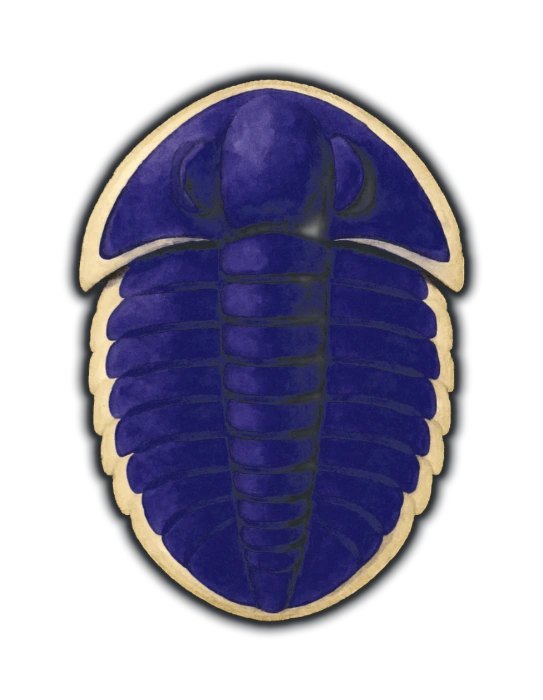
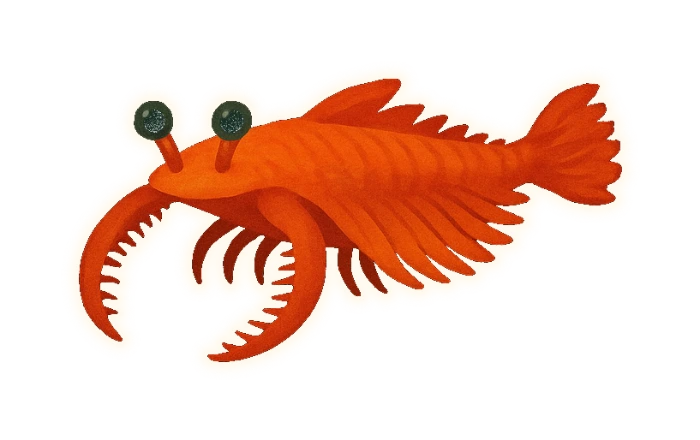
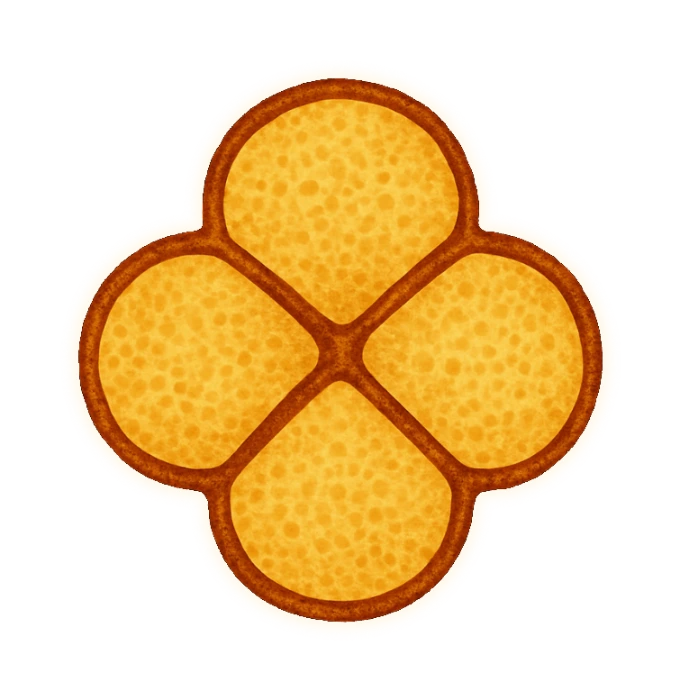
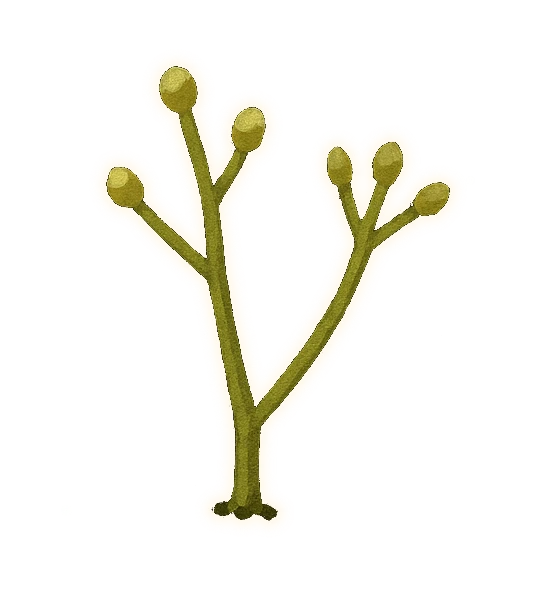
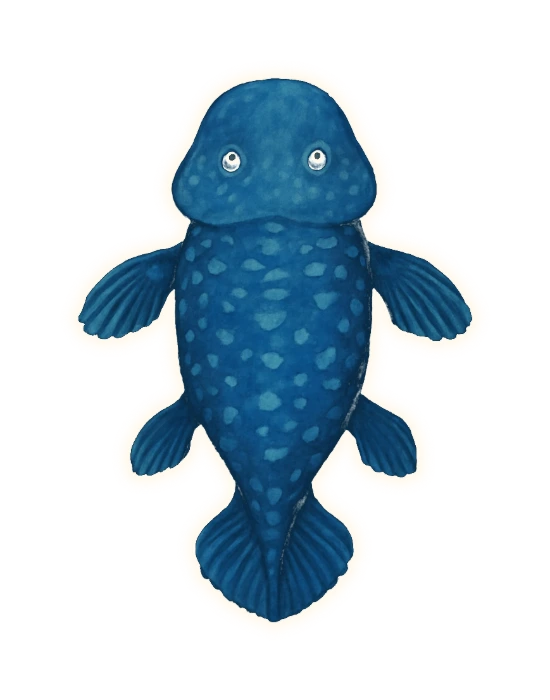
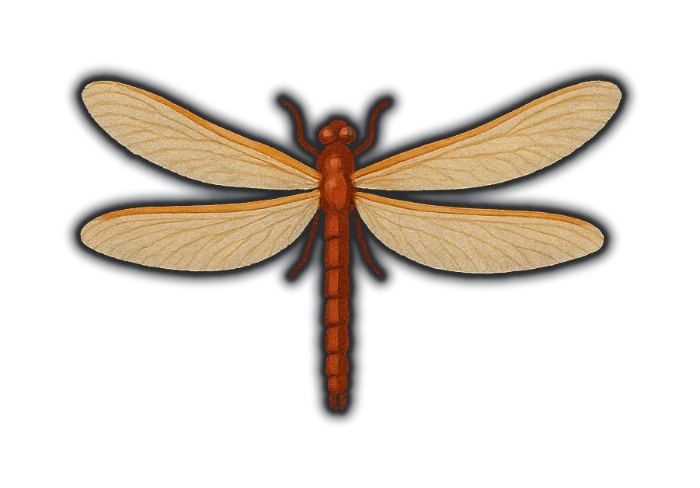
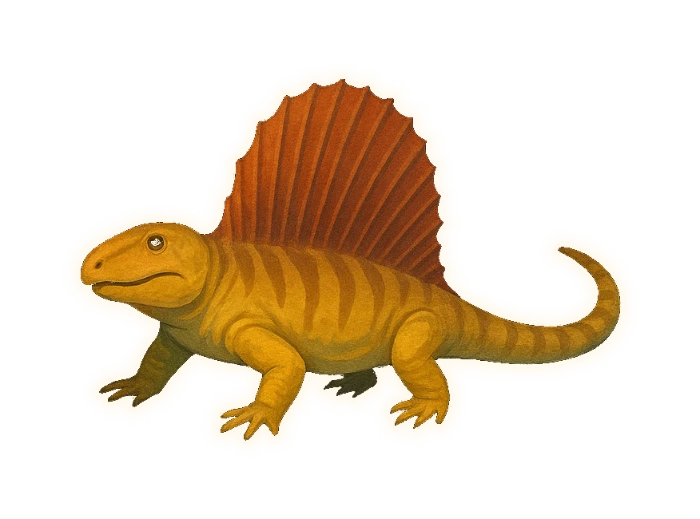
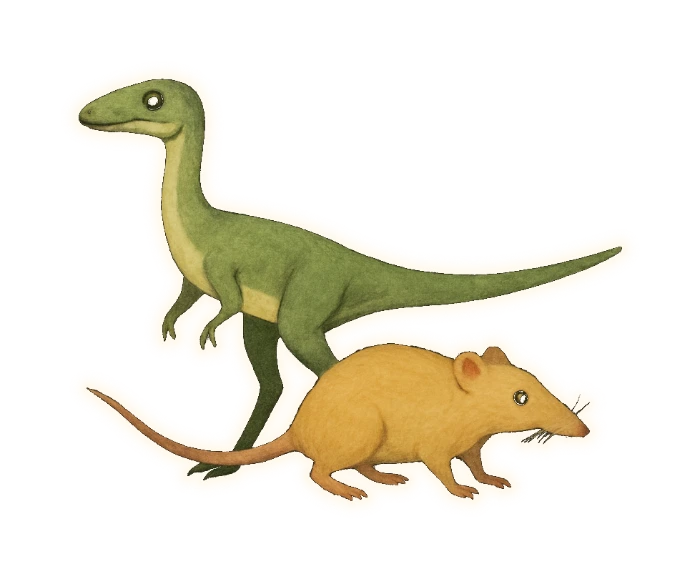
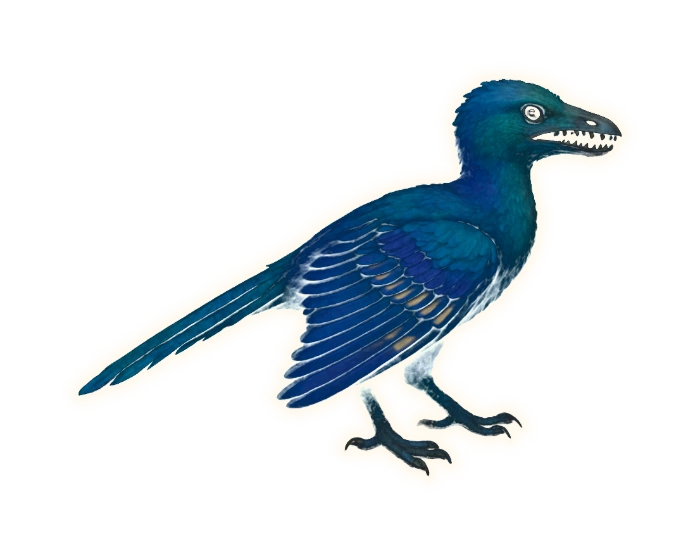
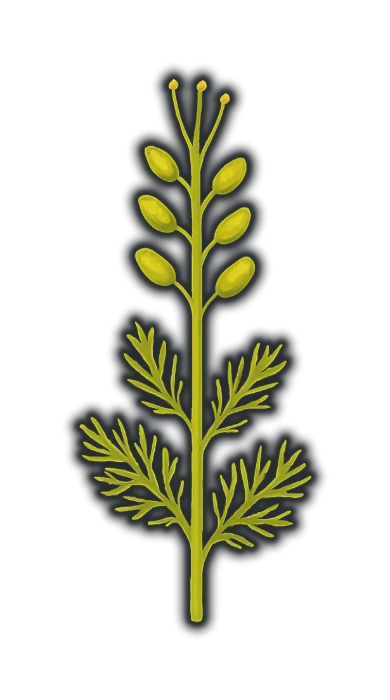
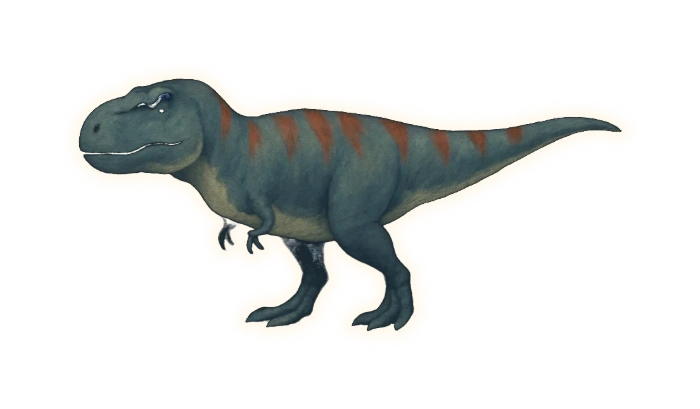
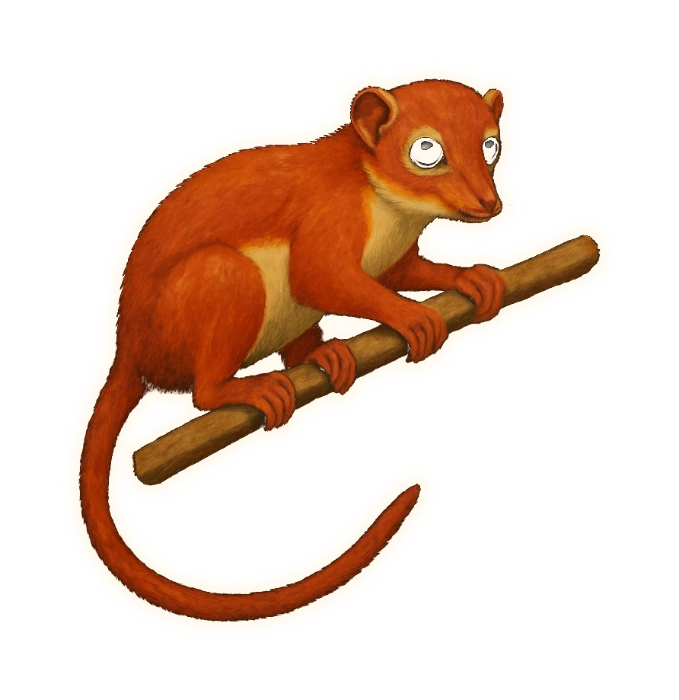
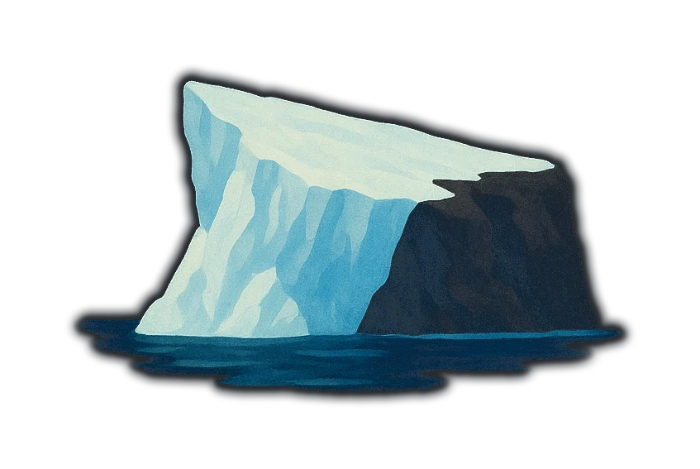
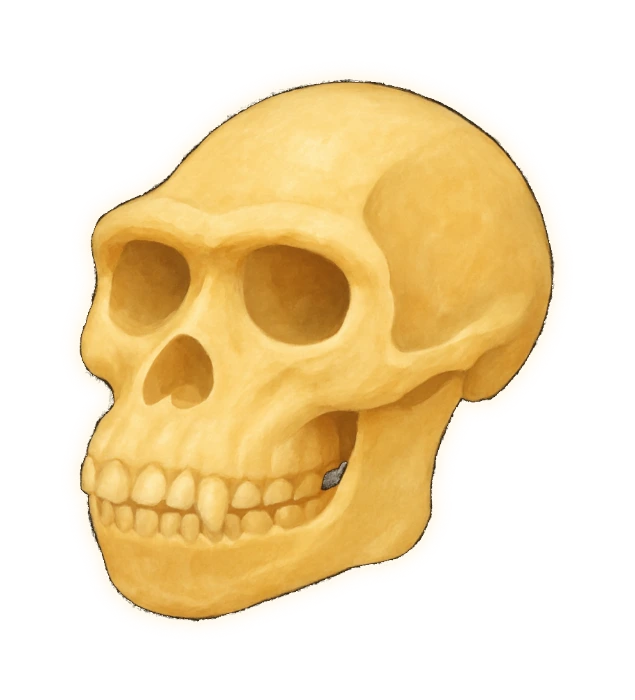
717 Ma717 million years agoSnowball EarthSnowball EarthIce reaches the tropics. The Sturtian freeze lasts 56 million years.The whole planet freezes, pole to equator.661 Ma661 million years agoThe ice retreatsThe ice retreatsCap carbonate, a warm-sea rock, laid down in a few thousand years on top of the ice.The freeze lasted 56 million years. The thaw did not.635 Ma635 million years agoThe ice breaks for goodThe ice breaks for goodA second freeze, the Marinoan glaciation — perhaps only four million years — and then it is over. The Ediacaran, the period before the Cambrian, begins.The last global freeze. Nothing since comes close.574 Ma574 million years agoCharniaCharniaThe first big bodies — soft, strange, rooted to the seabed.A frond, unlike anything alive today.538.8 Ma538.8 million years agoThe Cambrian beginsThe Cambrian beginsShells, eyes, guts, predators, and the first things burrowing through mud on purpose.The Cambrian: when animals get hard parts.508 Ma508 million years agoThe Burgess ShaleThe Burgess ShaleAnomalocaris — a metre of segmented predator, with the first real eyes.One Canadian quarry that kept soft bodies.470 Ma470 million years agoPlants reach landPlants reach landSpores, nothing you could call a plant yet. Land has been bare for four billion years.Spores under a microscope. Nothing on land is bigger than this.445 Ma445 million years agoThe Late Ordovician extinctionThe Late Ordovician extinctionIce, then anoxia — the ocean runs out of oxygen. About 85% of species go.The Ordovician: the age of shelled sea life.420 Ma420 million years agoCooksoniaCooksoniaThe first plants with stems. A few centimetres tall, and the tallest thing alive.Bare forking stems, and no leaves anywhere.375 Ma375 million years agoTiktaalikTiktaalikA fish with a neck, and wrists.The fin bones here are the bones in an arm.320 Ma320 million years agoThe coal forestsThe coal forestsTrees 40 metres tall, in swamps that become every coal seam on Earth. The air is 30% oxygen and the dragonflies are 70 cm across.Coal is these trees, buried and compressed.295 Ma295 million years agoDimetrodonDimetrodonNot a dinosaur. A synapsid — our own branch, 60 million years before the first dinosaur.Not a dinosaur. Closer to us than to one.251.9 Ma251.9 million years agoThe Great DyingThe Great DyingSiberian basalt cooks the ocean. 81% of marine species die, in about 60,000 years — one and a half pixels.The largest extinction in Earth's history.233–225 Ma233 to 225 million years agoThe first dinosaurs, and the first mammalsThe first dinosaurs, and the first mammalsBoth lines appear inside the same eight million years. At this scale, the same moment.The first mammals are the size of a shrew.201.4 Ma201.4 million years agoThe Triassic–Jurassic extinctionThe Triassic–Jurassic extinctionThe Atlantic starts to open. Half of everything dies, and the dinosaurs inherit it.Triassic and Jurassic: the periods either side.150 Ma150 million years agoArchaeopteryxArchaeopteryxFeathers, and the first wing that works.A dinosaur with feathers, teeth and a bony tail.125 Ma125 million years agoThe first flowersThe first flowersArchaefructus: no petals yet, but a flower — the oldest anyone can date. Before this, nothing was in bloom.Before this there is no fruit, and no bees.68–66 Ma68 to 66 million years agoTyrannosaurus rexTyrannosaurus rexThe last and largest of the tyrannosaurs, gone within two million years of the asteroid.Closer in time to us than to Stegosaurus.66.04 Ma66.04 million years agoChicxulubChicxulubEverything larger than a badger dies.The crater the asteroid left, under the Yucatán.56 Ma56 million years agoThe first true primatesThe first true primatesTeilhardina — not the primate-like mammals before it, but the first that living primates descend from. It appears on three continents within 25,000 years, during a sudden burst of global heat.Primates are lemurs, monkeys, apes, and us.33.9 Ma33.9 million years agoAntarctica freezesAntarctica freezesThe greenhouse world ends. The icehouse begins: ice that never melts.The ice that is still sitting there today.9.3–6.5 Ma9.3 to 6.5 million years agoThe human line splits from the chimpanzeesThe human line splits from the chimpanzeesEverything you would call human happens after this point — the next 175 pixels.No animal alive is a closer relative to humans.
1.8 – 0.8 billion years ago
The Boring Billion
geologists' name for it
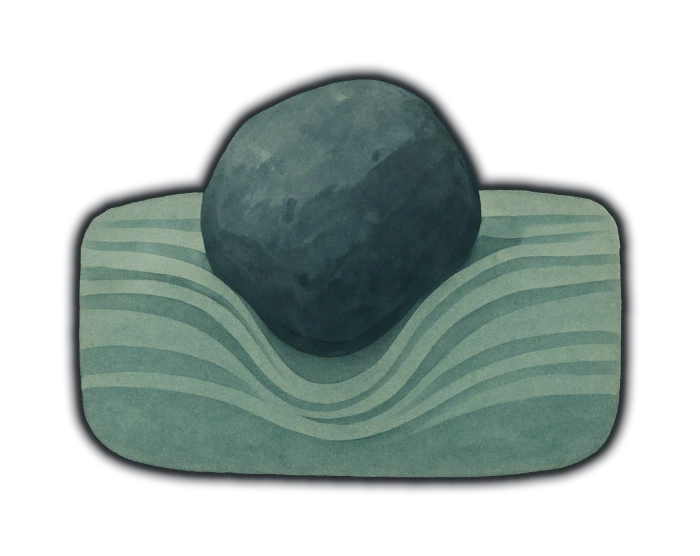
The chemistry settles. The oxygen stops rising. Nothing much happens for a thousand million years.
0
This stretch is 25,000 pixels long — a fifth of the page — and holds four arrivals. The longest gap
between them is 15,000 pixels: 600 million years in which nothing on this page happens.
The ending. Everything below happened in the last 175 pixels of this page. The thirty moments you
have passed are listed first, in order. Then ten more. Those ten are drawn nowhere on the page
above, because at 40,000 years to the pixel they all fall inside its final 110 pixels — and the last of them, everything humans have farmed, written,
built or remembered, is three tenths of one pixel.
The last ten happened in the final 110 of 115,000 pixels. Everything humans have farmed, written, built or remembered is the last three tenths of one pixel.
Those 4.6 billion years as a single calendar year: humans appear at 11:26 p.m. on 31 December, farming in the last ninety seconds, writing in the last forty, the industrial revolution in the last two.